Placing crypto alongside shadow banking and weapons procurement means Treasury believes it is being used for actual trade settlement.
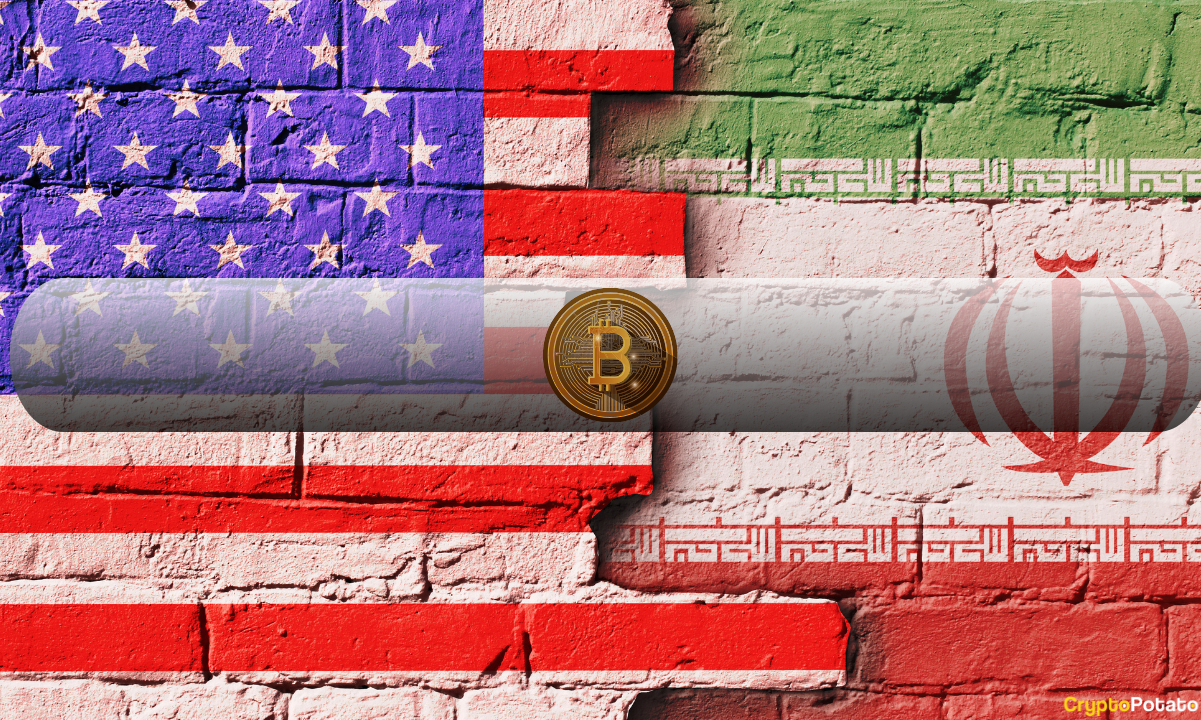
US Treasury Secretary Scott Bessent posted on X on April 29 that Washington’s sanctions campaign is now going after Iran’s “access to crypto,” alongside oil exports, shipping networks, and shadow banking channels.
It is the first time the Treasury has named digital assets so explicitly in the context of the Iran pressure campaign, and it puts crypto squarely in the middle of a geopolitical dispute that has already been moving Bitcoin’s price for weeks.
Treasury Links Crypto to Iran Sanctions Push
In the post, Bessent said the Treasury, through what he called “Economic Fury,” had targeted Iran’s shadow banking system, crypto access, weapons procurement networks, and the Chinese “teapot” refineries that buy Iranian crude.
According to him, the measures had disrupted “tens of billions of dollars of revenue” that otherwise would have been used to fund terrorism, adding that Kharg Island, Iran’s main oil export terminal, was nearing storage capacity, a situation he said could force production cuts worth roughly $170 million a day in lost revenue.
Still, the crypto mention is what stood out, as for years, sanctions enforcement focused on banks, oil traders, and shipping firms. Putting digital assets in the same sentence as shadow banking and weapons procurement is a signal that Treasury believes crypto is being used not just for small transfers but as part of actual trade settlement infrastructure.
According to market analyst Shanaka Anslem Perera, the latest action designated 35 entities and individuals under two existing executive orders. He named UK-registered Shuqun Ltd, which allegedly transferred more than $70 million for Iranian crude on behalf of the National Iranian Oil Company through 2024, and Fratello Carbone Trading Limited, which reportedly moved more than $20 million.
The total number of Iran-related targets under Economic Fury has now passed one thousand since February 25. Perera’s reading of Bessent’s language was that the warning was not primarily directed at Tehran. It was directed at every bank, exchange, and intermediary anywhere in the world that processes Iranian flows.
You may also like:
Why Crypto Keeps Coming Up in the Hormuz Dispute
This is not the first time crypto and Iran have collided in the markets this month, with the Financial Times reporting on April 8 that Iranian officials were demanding Bitcoin payments for ships seeking passage through the Strait of Hormuz. When those reports emerged, BTC ran from around $68,000 to nearly $73,000.
Since then, the situation has continued to change, including information coming out on April 27 that Iran had submitted a new peace proposal through Pakistani mediators. This sent Bitcoin briefly to a 12-week high near $80,000 before it got rejected and fell back hard.
However, yesterday, Trump posted on Truth Social that Iran had entered a “state of collapse,” pushing oil past $100 a barrel and pulling BTC below $76,000.
Those price moves show how closely crypto now trades with geopolitical risk, energy supply concerns, and sanctions policy, and if Washington can disrupt crypto-linked settlement channels tied to Iranian trade, it may reduce one workaround for sanctions. But if alternative rails keep operating, the campaign may simply push more transactions away from the dollar system and into the yuan or digital assets.