The SEC categorizes tokenized securities into issuer-sponsored and third-party models. It explained legal compliance requirements under federal securities laws.
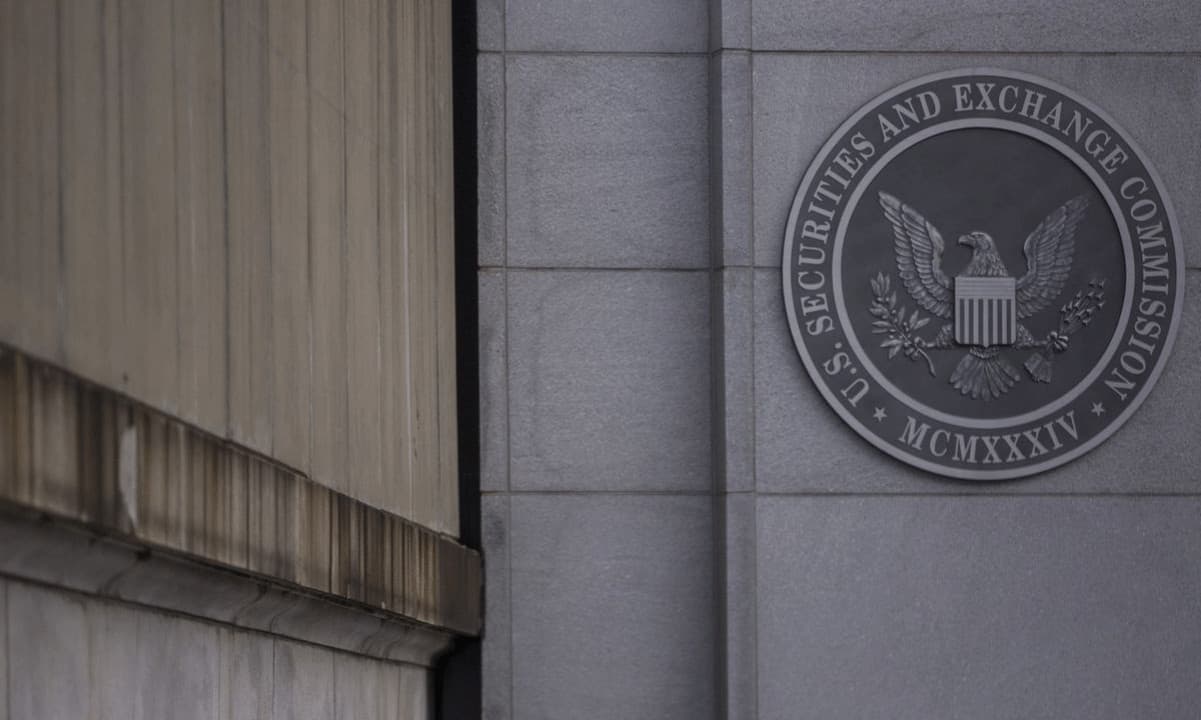
The US Securities and Exchange Commission (SEC) has released new guidance to clarify how federal securities laws apply to tokenized securities.
Issued jointly by the Division of Corporation Finance, the Division of Investment Management, and the Division of Trading and Markets on January 28th, the statement categorizes tokenized securities into two main types: issuer-sponsored and third-party-sponsored.
Issuer-Sponsored Tokenized Securities
According to the SEC, a tokenized security is a financial instrument that meets the legal definition of a “security.” It is represented or formatted as a crypto asset, while ownership records are maintained on one or more crypto networks.
In the issuer-sponsored model, the issuer or its agent integrates distributed ledger technology (DLT) into its systems, so that transfers of the crypto asset on the network correspond to transfers on the official master securityholder file.
Issuers may offer securities in multiple formats, and a tokenized security may be considered of the same class as its traditional counterpart if the rights and privileges are “substantially” similar. In some cases, issuers may issue a crypto asset that does not directly integrate with the master securityholder file but can be used to effect transfers of ownership recorded off-chain, as explained by the securities agency.
Third-Party Issuance: Custodial Or Synthetic
The second category involves third-party-sponsored tokenized securities, where entities unaffiliated with the issuer tokenize another party’s securities. These can take the form of custodial tokenized securities or synthetic tokenized securities. Custodial tokenized securities occur when a third party issues a crypto asset representing an ownership interest in another company’s security. The ownership records for these crypto assets can be maintained on-chain or off-chain by a third party.
On the other hand, synthetic tokenized securities include linked securities and security-based swaps, which provide exposure to the underlying security but do not confer rights from the original issuer. Security-based swaps issued as crypto assets may only be offered to eligible contract participants unless registered with the SEC and traded on a national securities exchange.
You may also like:
The guidance also states that the classification and format of tokenized securities do not alter their treatment under federal securities laws, and the SEC remains available to engage with market participants seeking clarity or preparing filings. This statement aims to help companies and investors navigate the legal landscape for tokenized securities while complying with existing registration and disclosure requirements.
SECRET PARTNERSHIP BONUS for CryptoPotato readers: Use this link to register and unlock $1,500 in exclusive BingX Exchange rewards (limited time offer).