
Key Takeaways:
- SEC Chair Paul Atkins officially replaced the agency’s “regulation by enforcement” era with a new 3-pillar “ACT” strategy on April 20, 2026.
- The shift aims to bring crypto firms back to U.S. soil after years of offshore flight caused by regulatory opacity under previous leadership.
- To revitalize IPOs in 2026, the SEC is targeting high costs, vexatious litigation, and the “weaponization” of corporate governance.
Paul Atkins CNBC Interview: Ending the ‘Misguided’ War on Digital Assets
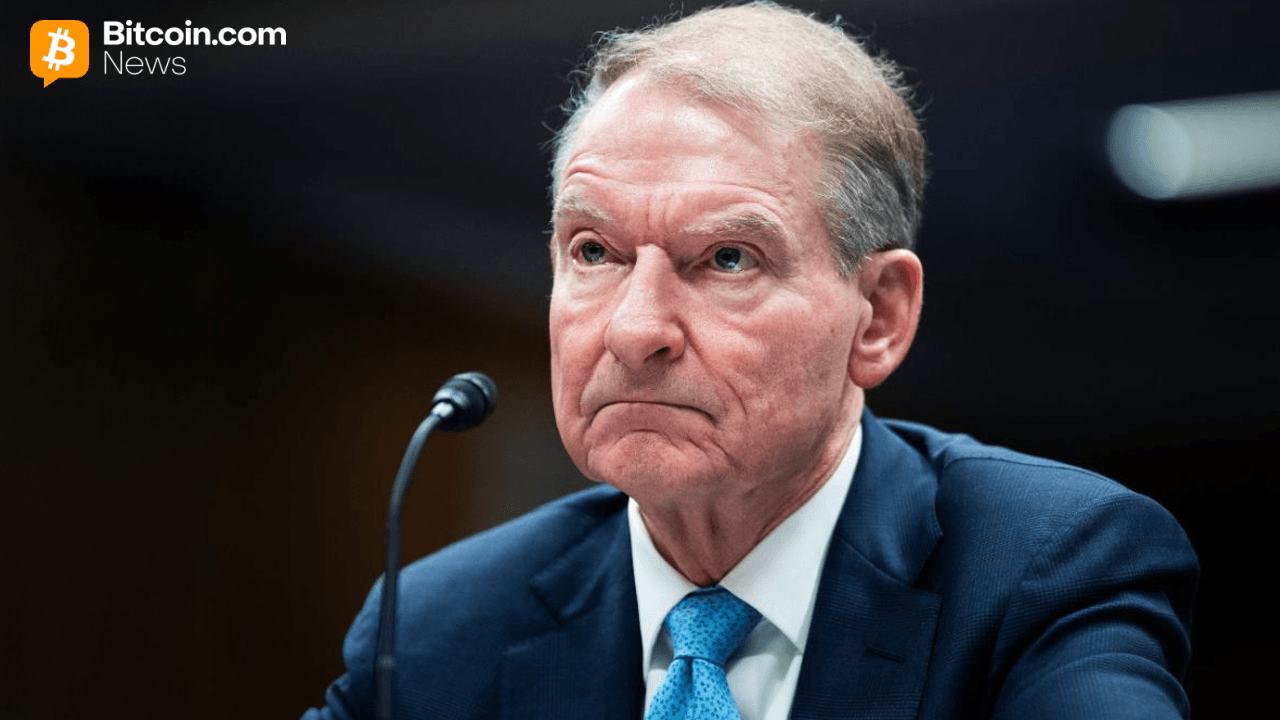
Appearing on CNBC’s Squawk Box nearly a year into his tenure, U.S. Securities and Exchange Commission (SEC) Chair Paul Atkins looked like a man who finally found the keys to a house that had been locked from the inside for years. He promised a “new day” at the agency, and if his blueprint is any indication, the SEC is trading its litigation-first boxing gloves for a more sophisticated set of tools designed to actually help markets function.
Atkins distilled his vision into a three-letter acronym that even a distracted day trader can remember: ACT. That stands for Advance, Clarify, and Transform. It is a sharp pivot from the Biden administration, which seemed to prefer “Sue, Silence, and Stagnate” as its unofficial motto.
The “Advance” portion of the plan focuses on modernization. Atkins admitted that for too long, the SEC’s default setting was to fend off new technologies rather than understand them. By embracing innovation, he hopes to entice firms that fled to offshore jurisdictions to bring their products back to U.S. soil.
When it comes to “Clarify,” Atkins insists clarity is very much needed. The SEC has long been criticized for its “we’ll know it when we see it” approach to digital assets. To fix this, Atkins highlighted a joint interpretive release with the CFTC that finally draws a line between tokenized securities and commodities. If you’re a developer, knowing whether you’re building a security or not is generally considered helpful.
The “Transform” pillar is perhaps the most ambitious, aiming to make the SEC rulebook “fit for purpose.” Atkins wants to make initial public offerings (IPOs) great again, noting that the number of public companies in the U.S. has been cut in half over the last thirty years. He argues that the public markets have become so burdensome that companies are staying private longer than a college student on a ten-year plan.
Atkins identified three major roadblocks keeping companies like SpaceX and OpenAI in the private sphere. First is the sheer complexity and cost of the disclosure system. Second is what he calls “vexatious litigation,” where the SEC has historically been vague about allowing mandatory arbitration. Finally, he took a swing at the “weaponization” of corporate governance by politicized shareholder activists.
The Chairman also waded into the controversy surrounding the Nasdaq’s QQQ index. With rumors of a SpaceX IPO swirling for June, the Nasdaq is reportedly looking to tweak its rules to allow massive companies to join the index almost immediately. While some critics scream “market manipulation,” Atkins maintained a classic free market stance, suggesting that if investors don’t like the new recipe, they can stop buying the soup.
Of course, it wouldn’t be a Washington interview without a touch of drama regarding insider trading. When pressed on whether the SEC is investigating suspicious trades occurring just before presidential social media posts move the needle, Atkins remained predictably coy. He didn’t name names, but he did mention he’s in regular contact with U.S. Attorney Jay Clayton to keep the markets “orderly, fair, and efficient.”
Atkins also addressed the wild west of prediction markets. While his predecessor, Gary Gensler, was busy worrying about sports betting in the pages of Barron’s, Atkins noted that the SEC’s jurisdiction only kicks in when these contracts start looking like “binary options” tied to corporate earnings. For everything else, he’s happy to let the courts and the CFTC deal with the headache.
As for the “retail folks” wanting a piece of the private credit pie, Atkins is proceeding with the caution of a man walking through a minefield. While there is pressure to open these opaque markets to broader investors, he insisted on “strong guardrails” for 401k plans to ensure trustees aren’t just gambling with grandma’s retirement fund.
The message from the top is clear: the SEC is trying to be a partner rather than a punisher. Whether the agency can actually “Transform” its reputation as a bureaucratic behemoth remains to be seen, but for now, Atkins is at least reading from a more optimistic script. The industry is watching closely to see if the “ACT” is a blockbuster or just another high-budget flop.